
An afternoon on the floor: how flat-pack assembly actually goes
Flat-pack assembly has a reputation it mostly does not deserve. Nearly all of the misery comes from the first fifteen minutes being skipped.
Set up before you open a bag
Work on a carpet, a rug or an old blanket in the room where the piece will end up. Bare floor scratches panel faces, and an assembled case is far harder to walk through a doorway than a flat carton. Give yourself a clear area about twice the footprint of the finished piece, and get the light where you can see cam holes inside a dark panel.
Sort the hardware first
Tip out the bags and lay each type in its own small pile or a saucer. Count them against the parts list on page one. Two minutes here tells you at the start, rather than at step nine with three panels balanced against your knee, whether a bag came up short. Cam bolts and dowels look alike at a glance and go in different holes, which is the single most common way a build goes wrong.
Then lay the panels out in build order with the numbers facing up. Most panels have a face and a back, and a case built with one panel reversed will look correct until the doors go on.
Hand tight, then square, then tight
Drive everything hand tight and leave it there until the case is standing. A frame that is still slightly loose can be pushed square; one fully torqued at step three cannot. Once the box is up, check the diagonals, push it true, fit the back panel, and only then go round and firm everything up. The back panel is what holds the case square for the rest of its life, so it goes on before final tightening, not after.
Use a handheld screwdriver. A drill driver strips a cam bolt in engineered panel in about a second, and a stripped socket is not something you can fix on the floor.
Doors and drawers last
Hang doors and slide in drawers only when the case is standing where it belongs, levelled and, if it is tall, anchored. Adjusting hinges on a case that is about to move is wasted work, because the moment the feet sit on a different bit of floor the alignment changes again.
Pieces this applies to
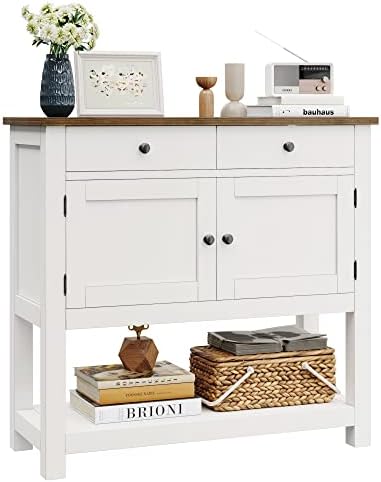
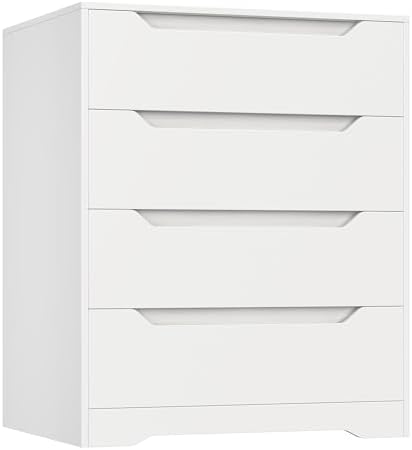
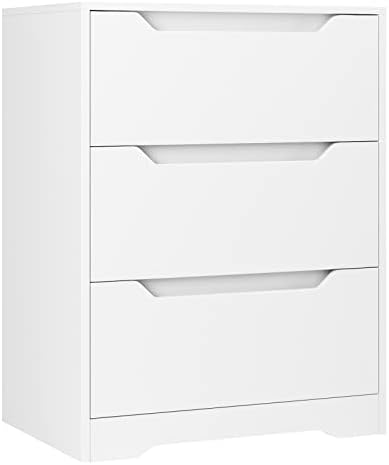
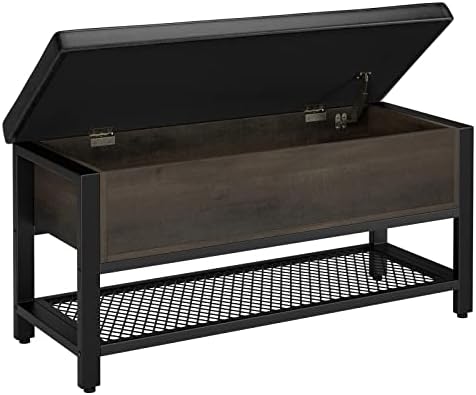
Entryway and bedroom cases are the usual first build: small enough to handle alone, complete enough to teach you the system.
More from the workroom
Measure the wall first, then open the catalog
The three numbers to write down before you look at a single photograph, and why the smallest of them decides.
Baseboard, pipes and the gap behind a flat back
Why a flat-backed case never quite sits flush against an ordinary wall, and what to do about the inch it gives up.
Anchoring a tall case so it stays where you put it
Find the stud, use the bracket that came in the box, and understand why drywall alone is not an anchor.